The vision

It was a landscape born of a fever-dream, or perhaps a vision granted to an opium-eater in the twilight of his soul. I found myself traversing a most singular thoroughfare—the Road of Embers—where the very dust beneath my boots glowed with a subterranean heat, yet was bordered by the paradoxical freshness of verdant sward and the shifting sands of an unseen shore.
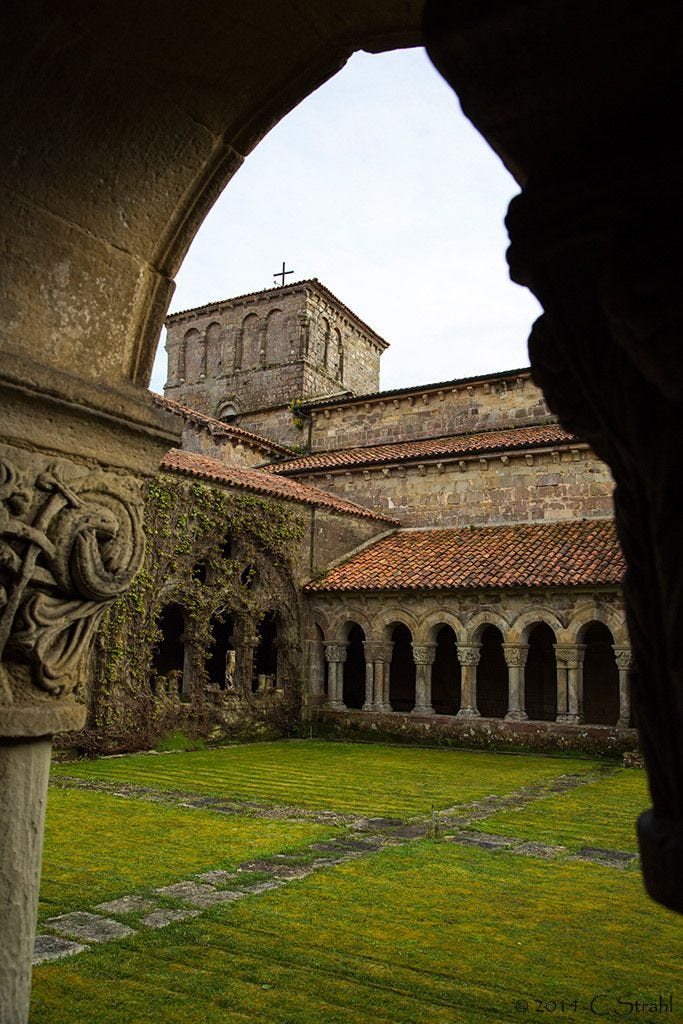
To my left, the grey, gothic spires of an ancient monastery pierced the mist. From its hidden choir, the strains of a Miserere drifted upon the air, haunting and perpetual, as if the stones themselves had memorized the melody. Within those hallowed walls, the tallow candles flickered in the drafty silence, offering the “quiet of the cloister”—that austere, sepulchral peace for which my weary heart so often pined.
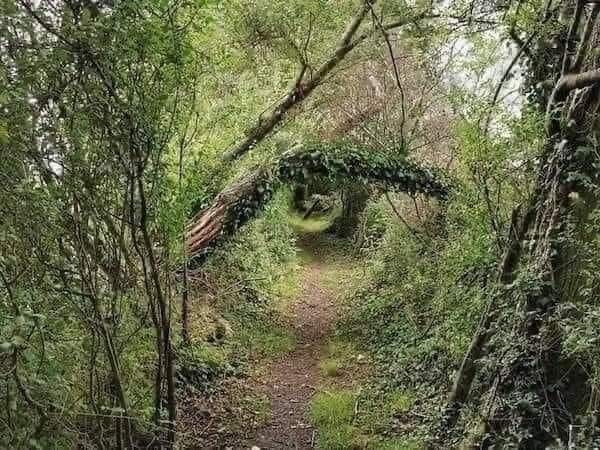
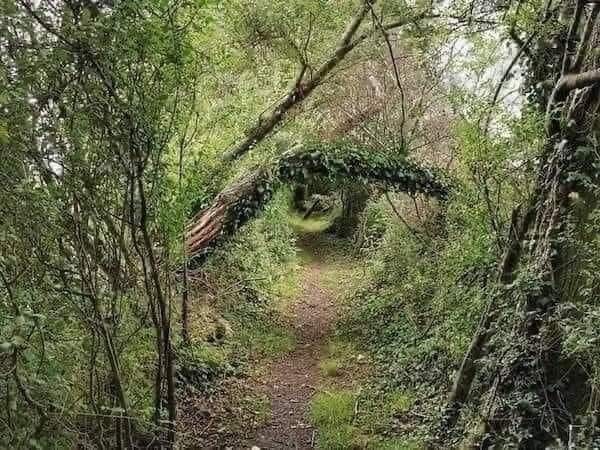
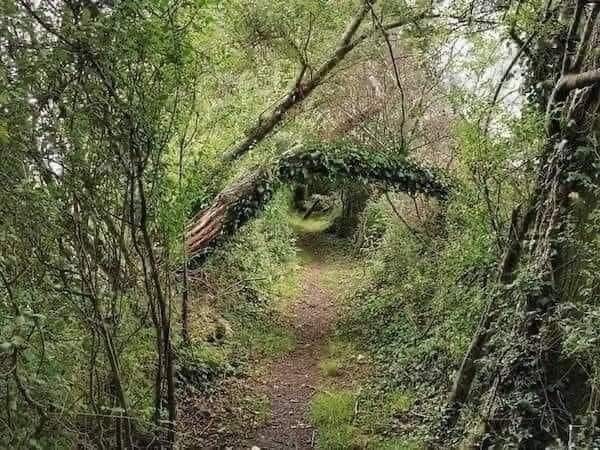
Yet, to my right, the scenery shifted into a wilder, more ancient topography. A forest of strong, green oaks rose in magnificent stature, their trunks straight and vital, interspersed with the sharp silhouettes of blackthorn and the delicate lace of hawthorn. There, the Old Gods kept their vigil, and to my profound agitation, I perceived that they looked upon me with a startling, ancient affection. The Golden-haired Lleu inclined his head in greeting; the Lord of the Hunt, magnificent and terrible with his spectral white hounds, paused as if to make a place for me in his retinue; and the antlered Cernunnos gestured toward the deep mosses. Even the Fair Ones, flitting like pale moths, whispered my name with a joyous familiarity. Theirs was a welcome without judgment, a standing invitation to abandon the weary road and stay forever amidst the boughs.
But the road, like a relentless destiny, wound ever onward toward the sun-drenched Temple of Apollo. Its marble columns gleamed with the terrible clarity of Reason, yet it served only as the porch to a deeper mystery: the descent to the Hadean halls. Below, in the grand, somber subterranean, a feast lay prepared. I saw Morpheus, that master of illusions, distilling a potion of poppies and dreams to grant me surcease from sorrow. Hecate stood at the threshold, her twin torches illuminating the gloom, while Hermes, the swift-footed messenger, lingered in the shadows—a silent observer of my spiritual odyssey.
I should have succumbed to the vapors of indecision were it not for my two companions. They were guides of a most compassionate character: the Arrow-bearer, his countenance a study in stoic suffering, and the Deacon, who bore the heavy gridiron of his martyrdom with a dignity that shamed my restlessness. They did not compel me; they did not offer the harsh “thou shalt” of the pulpit. They merely supported my trembling frame, lending me their strength when my own resolve failed, acting as the silent buttresses to my crumbling will.
My heart is a house divided, yearning for the sanctuary of the monk’s cell as fervently as it craves the verdant shadows of the pagan wild where I am so warmly bidden. I stand paralyzed by the fear of the “closed door.” I am haunted by the conviction that to choose the Cross is to exile the Forest; to embrace the Dream is to forfeit the Altar. Thus, I remain a perpetual wanderer on this road of fire and grass, terrified that to reach a destination—to finally accept the welcome of the gods or the peace of the monks—is to lose the world entirely…